
Electrical problems rarely start as emergencies. A breaker that trips once, a light that flickers when the AC kicks on, an outlet that feels slightly warm to the touch, these small signals almost always show up long before a system fails completely. The homeowners who avoid costly repairs and dangerous situations are usually the ones who take those early signals seriously instead of waiting for something to stop working entirely.
Why Electrical Troubleshooting Is Different From a Simple Repair
A repair addresses a problem that has already been identified. Troubleshooting is the process of finding that problem in the first place, and electrical systems make this harder than most other home systems because the wiring itself is hidden inside walls, ceilings, and panels. A flickering light in one room could point to a loose connection at the fixture, a failing breaker, or a deeper issue with the home’s main panel, and only a proper diagnostic process can tell the difference.
This is why troubleshooting requires a systematic approach rather than guesswork. A qualified electrician traces symptoms back to their actual source using testing equipment and a methodical process of elimination, rather than replacing parts one at a time and hoping the problem goes away.
Common Symptoms and What They Usually Mean
Certain electrical symptoms show up often enough that they have fairly predictable causes, though the table below should be treated as a general guide rather than a diagnosis, since similar symptoms can stem from different underlying issues depending on the home’s wiring age and configuration.
| Symptom | Likely Cause | Urgency Level |
|---|---|---|
| Breaker trips repeatedly | Overloaded circuit or short | Address soon |
| Lights flicker when AC or appliances run | Voltage drop or loose connection | Address soon |
| Outlet feels warm or discolored | Loose wiring or overheating | Urgent |
| Burning smell near panel or outlet | Overheating insulation or wiring | Emergency |
| Buzzing sound from switch or outlet | Loose connection arcing | Urgent |
| Partial power loss to one area | Failed breaker or wiring fault | Address soon |
The urgency levels in this table matter more than homeowners often realize. A tripping breaker is inconvenient but generally safe to schedule a service call for, while a burning smell or visibly discolored outlet indicates active overheating and should prompt an immediate call to a licensed electrician, since these symptoms can precede an electrical fire.
Why Older Homes Face More Frequent Issues
Homes wired decades ago were built for a fraction of the electrical load modern households actually use. A house wired in the 1980s or earlier was never designed around simultaneous use of central air, multiple computers, EV charging, and an expanding list of kitchen appliances, all pulling power from the same aging circuits. This mismatch between original wiring capacity and modern demand is one of the most common root causes behind recurring electrical symptoms.
Aluminum wiring, still present in some homes built during certain decades, adds another layer of risk, since it expands and contracts differently than copper and can loosen connections over time even without any obvious external damage. Homeowners in older properties benefit from periodic troubleshooting visits even without an active symptom, simply because these underlying issues tend to develop silently before producing a visible warning sign.
The Diagnostic Process a Professional Actually Follows
Effective troubleshooting starts with gathering information directly from the homeowner: when the symptom occurs, what appliances or circuits seem involved, and whether the issue is constant or intermittent. This context often narrows down the likely cause before any physical inspection even begins.
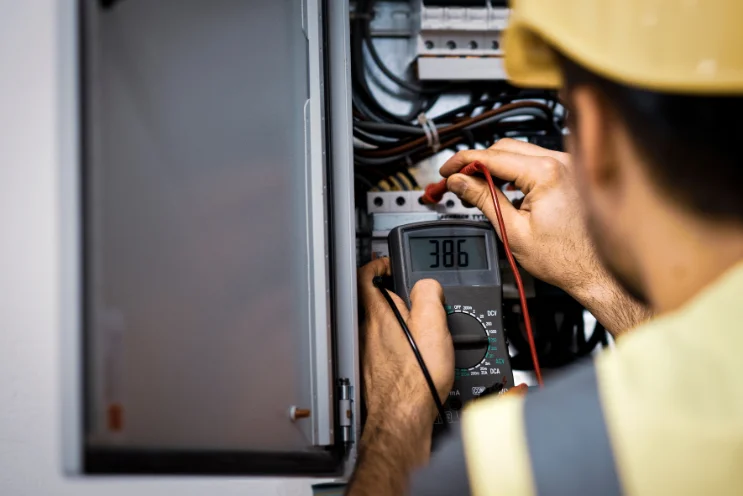
From there, a licensed electrician tests the affected circuits directly, checking voltage, continuity, and connection integrity at the panel, at outlets, and at any suspected fixtures. This step distinguishes a professional diagnosis from a guess, since visual inspection alone often cannot detect a loose connection hidden inside a wall or a partially failed breaker that still appears to function under light load.
Homeowners dealing with recurring or unexplained electrical symptoms benefit most from working with a team experienced specifically in electrical troubleshooting, since accurately identifying the root cause the first time prevents the cycle of temporary fixes that never fully resolve the underlying issue.
When a Symptom Points to a Bigger Underlying Problem
Some troubleshooting calls reveal a straightforward fix, like a loose wire nut or a single failed outlet. Others uncover a symptom that is really just the most visible sign of a larger issue, such as an undersized panel that has been quietly overloaded for years. In these cases, addressing only the immediate symptom without looking at the broader system often means the same problem, or a related one, resurfaces within months.
A thorough troubleshooting visit should always include an assessment of whether the diagnosed issue is isolated or connected to a larger capacity or wiring age problem. This distinction matters significantly for homeowners deciding between a targeted repair and a more substantial upgrade, since the wrong choice can mean paying for the same type of service call repeatedly instead of resolving the issue permanently.
Frequently Asked Questions
How quickly should a tripping breaker be addressed? It depends on frequency. An occasional trip during heavy appliance use may not be urgent, but a breaker tripping multiple times a week signals an active problem that should be diagnosed promptly rather than reset repeatedly.
Can troubleshooting be done without cutting into walls? In most cases, yes. Electricians rely on testing equipment at the panel and at accessible points in the circuit to trace problems without unnecessary demolition, though some issues do require opening a wall to confirm and repair the root cause.
Is it normal for outlets to feel slightly warm? No. Outlets and switches should remain close to room temperature during normal use. Noticeable warmth is a sign of loose wiring or overloading and should be evaluated promptly.
Should troubleshooting be done even without an obvious symptom? For older homes, periodic troubleshooting can catch developing issues before they produce a visible symptom, particularly in homes with aluminum wiring or panels that have not been inspected in many years.
Acting Early Protects the Whole System
Electrical problems rarely stay isolated for long. A single loose connection left unaddressed can eventually stress the surrounding circuit, and an overloaded panel ignored for years increases risk with every new appliance added to the home. Taking early symptoms seriously, rather than dismissing them as minor annoyances, is consistently the difference between a simple repair and a much larger, more expensive problem down the line.
Homeowners who notice flickering lights, warm outlets, or breakers that trip more often than they used to should treat those signals as worth investigating rather than living with. LeBlanc Electric LLC provides the diagnostic expertise needed to trace these issues back to their actual source and resolve them correctly the first time, rather than offering a temporary fix that leaves the underlying problem in place.