
If your home is more than 20 years old, or you’ve noticed breakers tripping more often, lights flickering when the AC kicks on, or you’re planning to add an EV charger or a new addition, there’s a good chance the conversation eventually leads to panel upgrades. It’s one of those electrical projects that doesn’t get much attention until something forces the issue — and by then, it’s often more urgent than homeowners expect.
This guide covers what a panel upgrade actually involves, the signs that indicate you need one, and what separates a proper upgrade from a rushed one that just moves the same problems somewhere else. If you want to see exactly what’s involved on the service side, LeBlanc Electric LLC’s panel upgrade services outline the process in more detail, but here’s what every homeowner should understand before that conversation starts.
What Is a Panel Upgrade, Exactly?
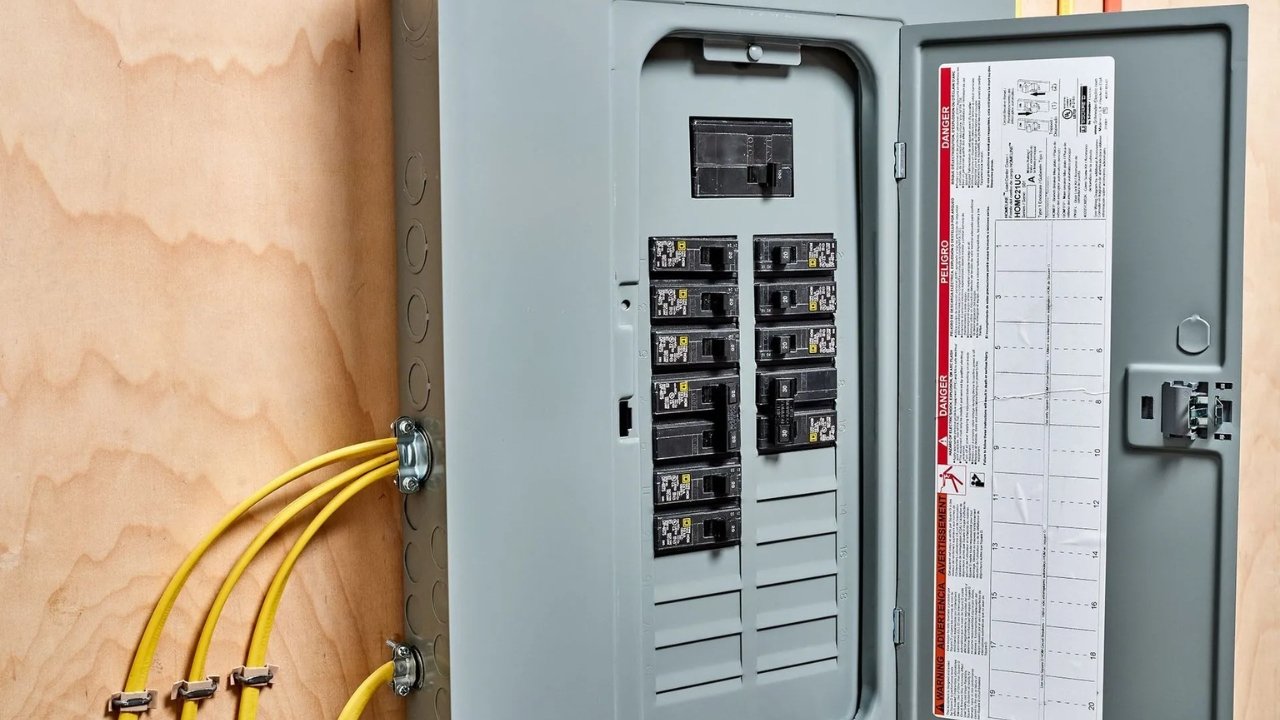
An electrical panel upgrade is the process of replacing your home’s main service panel — the box that distributes electricity from the utility line to every circuit in your house — with one that has higher capacity, updated safety features, or both. This usually means moving from an older 60 or 100-amp panel to a 150 or 200-amp panel, though the right size depends entirely on the home’s actual electrical demand.
It’s not the same as simply adding a new breaker or replacing a single circuit. A panel upgrade touches the core of the home’s entire electrical system, which is exactly why it needs to be sized and installed correctly the first time.
Signs a Panel Upgrade Is Actually Needed
Panels don’t usually fail all at once. They show warning signs first, and most homeowners live with those signs for years before realizing what they’re actually pointing to.
Frequent breaker trips — If certain breakers trip regularly, especially when running multiple appliances at once, it’s often a sign the panel is undersized for the home’s current load, not just a faulty breaker.
Flickering or dimming lights — This is commonly dismissed as a fixture issue, but it’s frequently a symptom of a panel struggling to keep voltage stable across circuits.
A fuse box instead of a breaker panel — Homes with original fuse boxes, common in houses built before the 1960s, are almost always candidates for a full upgrade, both for safety and insurance reasons.
Warm or discolored panel covers — Heat at the panel is one of the more serious warning signs, often indicating overloaded circuits or degraded internal components.
Planning a major addition — EV chargers, hot tubs, home additions, and electric appliance upgrades all add load. A panel that was adequate for the original home often isn’t adequate for the home it’s becoming.
I’ve walked into homes where the panel technically “worked” for years, right up until an EV charger or a new HVAC system got added and suddenly breakers were tripping weekly. The panel wasn’t broken — it was just never built for that much demand in the first place.
Panel Upgrade Myths vs. Reality
Because electrical work is intimidating for most homeowners, a lot of assumptions get repeated without much scrutiny. Here’s where they actually hold up against how panels really work.
| Myth | Reality |
|---|---|
| “If the panel still works, it doesn’t need upgrading.” | A panel can technically function while still being undersized, outdated, or unsafe for the home’s current load. Working and adequate aren’t the same thing. |
| “Bigger amperage is always better.” | Panel size needs to match actual home demand. Oversizing without updating wiring elsewhere doesn’t solve capacity issues and adds unnecessary cost. |
| “Panel upgrades are a same-day, simple swap.” | A proper upgrade includes load calculations, permitting, utility coordination, and often grounding updates — it’s a full project, not a quick fix. |
| “Any electrician can handle a panel upgrade.” | Panel work requires utility coordination and code compliance specific to service upgrades. Experience with this exact type of project matters. |
| “New panels don’t need permits.” | Panel upgrades almost always require a permit and inspection, since they involve the home’s main electrical service. |
| “Adding a subpanel is the same as upgrading the main panel.” | A subpanel distributes existing capacity to a new area. It doesn’t add capacity. If the main panel is already maxed out, a subpanel doesn’t solve that. |
What the Upgrade Process Actually Involves
A panel upgrade is a sequence of steps, and skipping or rushing any of them is where problems tend to start.
Load calculation — Before any panel is selected, the home’s actual and projected electrical demand needs to be calculated, factoring in current appliances and any planned additions like EV chargers or HVAC upgrades.
Permitting — Since panel upgrades affect the main electrical service, most jurisdictions require a permit and a subsequent inspection before the work is considered complete.
Utility coordination — The utility company typically needs to disconnect and reconnect service as part of the upgrade, which means scheduling around their availability, not just the electrician’s.
Panel installation and wiring — This includes not just installing the new panel, but reconnecting existing circuits correctly, updating grounding and bonding where needed, and labeling everything clearly.
Final inspection — A licensed inspector verifies the work meets code before the upgrade is considered complete and safe for full use.
What a Panel Upgrade Actually Costs You If You Wait
Delaying a needed panel upgrade doesn’t just mean living with occasional inconvenience. Undersized or outdated panels are a documented contributor to home electrical fires, and insurance companies increasingly flag older panel types, sometimes requiring an upgrade before renewing or issuing a policy. On top of that, an undersized panel limits what you can actually do with your home, whether that’s adding an EV charger, finishing a basement, or upgrading to modern HVAC equipment that draws more power than older systems did.
The cost of upgrading proactively is almost always lower than the cost of dealing with the consequences of an inadequate panel down the line, whether that’s a failed inspection during a home sale, an insurance complication, or an actual electrical failure.
Frequently Asked Questions
How do I know what size panel my home needs? Panel sizing depends on a load calculation that accounts for your home’s square footage, existing appliances, HVAC system, and any planned additions like EV chargers. This isn’t something to estimate on your own — it needs a proper assessment.
How long does a panel upgrade take? Most residential panel upgrades take one to two days for the physical installation, though permitting and utility scheduling can extend the overall project timeline beyond the installation day itself.
Will I be without power during the upgrade? Yes, typically for several hours during the actual swap while the utility disconnects and the electrician completes the installation, after which power is restored and tested.
Do I need a permit for a panel upgrade? Almost always, yes. Since the work involves the home’s main electrical service, most jurisdictions require both a permit and a final inspection.
Is a panel upgrade necessary before adding an EV charger? Often, yes, especially in older homes with 100-amp panels or lower. EV chargers draw significant continuous load, and many older panels don’t have the available capacity without an upgrade.
Making the Right Call on Your Panel
A panel upgrade isn’t just about fixing a problem that’s already showing up, it’s about making sure your home’s electrical system can actually support how you use it now and in the near future. The homes that run into serious electrical issues are almost always the ones where an outdated or undersized panel was left in place well past the point it could reliably handle the load.
If you’re noticing warning signs, planning an addition, or just haven’t had your panel evaluated in years, it’s worth getting an honest assessment before a bigger problem forces the issue. LeBlanc Electric LLC has handled panel upgrades across homes of every age and electrical setup, and can walk you through exactly what your home needs before any work begins.